
Back to all articles
Security & Compliance
Role-Based Access Control: Who Should See What in Your Immigration Firm
February 11, 202610 min readAI Immigration Tools
Role-Based Access Control: Who Should See What in Your Immigration Firm
In the fast-paced world of immigration law, managing sensitive client data is not just a best practice—it's a legal and ethical imperative. Law firms handle a treasure trove of personal information, from birth certificates and financial records to highly confidential immigration histories. Protecting this data from unauthorized access, both internal and external, is paramount. This is where **Role-Based Access Control (RBAC)** emerges as a critical component of a robust cybersecurity strategy for any modern immigration law firm.
RBAC is a method of restricting network access based on the roles of individual users within an organization. It ensures that employees only have access to the information and systems necessary to perform their job functions, thereby minimizing the risk of data breaches and enhancing overall security posture. For an immigration law firm transitioning from traditional methods to advanced AI solutions, implementing RBAC is not merely an IT task; it's a foundational step towards building trust, ensuring compliance, and safeguarding client privacy.
Immigration law firms operate under stringent regulatory frameworks, including state bar ethics rules, data privacy laws like GDPR (if serving international clients), and various federal regulations. A single data breach can lead to severe financial penalties, reputational damage, and a loss of client trust that can take years to rebuild. Consider the implications:
A recent study indicated that the average cost of a data breach in the legal sector continues to rise, underscoring the financial risks associated with inadequate security measures.
Beyond the financial and legal repercussions, there's the ethical obligation to protect vulnerable clients. Immigration cases often involve individuals fleeing persecution, seeking asylum, or reuniting with family—situations where privacy and security are not just preferences but necessities. Unauthorized access to their information could put their lives or legal standing at risk. This makes **immigration data security** a non-negotiable priority.
Traditional security models often grant broad access permissions, which become unsustainable and risky as a firm grows. RBAC offers a granular, systematic approach, allowing firms to define specific roles (e.g., Partner, Senior Attorney, Paralegal, Administrative Assistant) and assign precise access rights to each role. This means a paralegal might access client intake forms and case documents, but not sensitive financial records or partner-level strategic communications.
Successfully implementing RBAC requires a thoughtful, structured approach. It's not about simply flipping a switch; it involves understanding your firm's operational structure, identifying data sensitivities, and configuring systems accordingly. Here are key steps:
- Identify Roles and Responsibilities: Begin by mapping out all the distinct roles within your firm and the specific tasks associated with each. This clarity is crucial for defining appropriate access levels.
- Categorize Data and Resources: Classify all data, documents, and software applications based on their sensitivity and who needs access. This could range from public-facing marketing materials to highly confidential client communications and financial data.
- Define Access Permissions: For each role, specify what actions (read, write, edit, delete) can be performed on which categories of data and resources. This is the core of RBAC.
- Assign Users to Roles: Each user in your firm should be assigned one or more roles. This assignment should be regularly reviewed and updated as personnel changes or roles evolve.
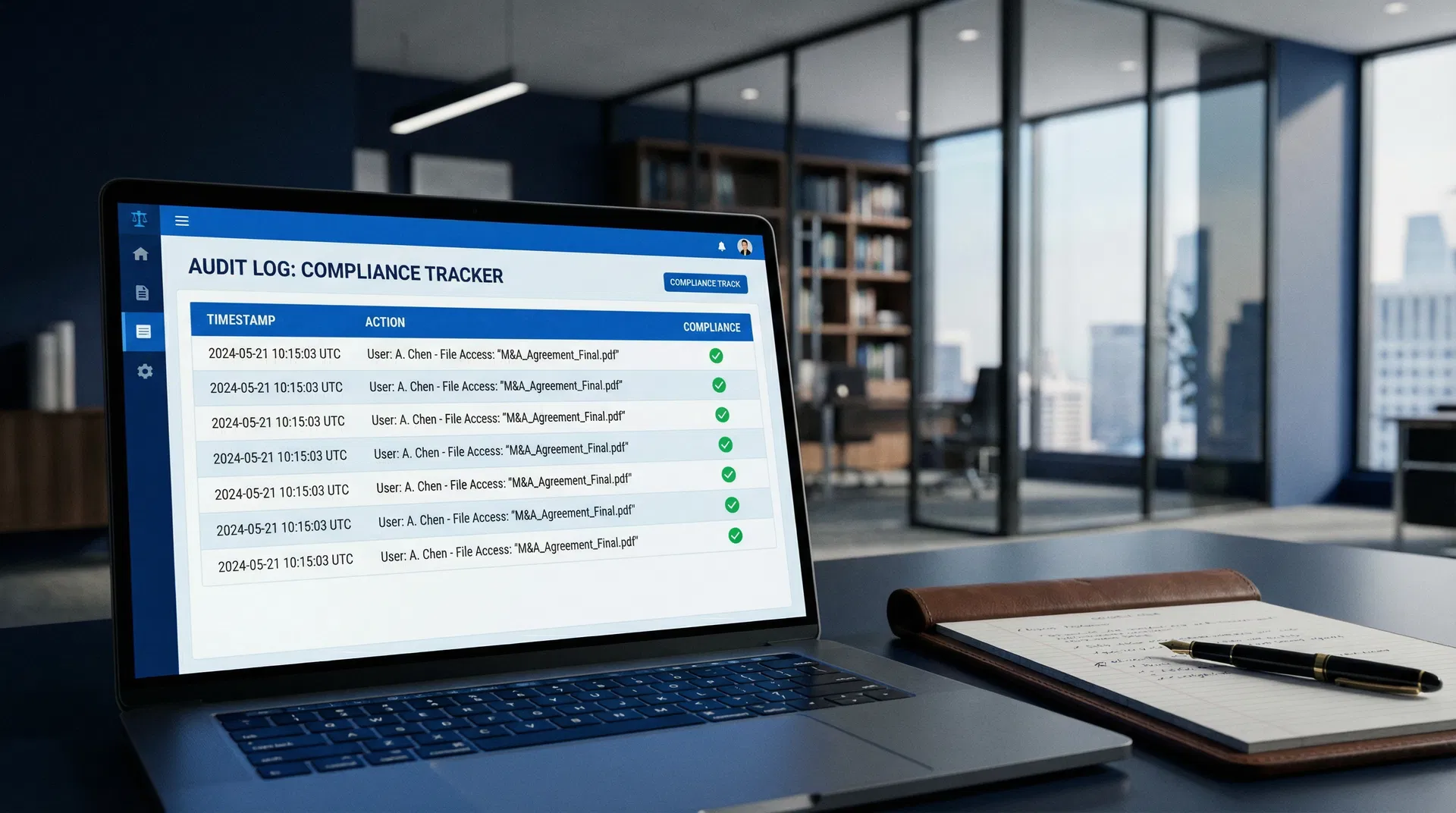
- Regular Auditing and Review: RBAC is not a set-it-and-forget-it solution. Regular audits are essential to ensure that permissions remain appropriate, identify potential vulnerabilities, and maintain compliance. This is where defensible audit trails become invaluable, providing a clear record of who accessed what and when.
For an immigration law firm, this granular control extends to how clients interact with their data. A secure client portal, for instance, should also leverage RBAC principles to ensure clients only see their own case information and documents, and not those of other clients.
As immigration law firms increasingly adopt advanced technologies like AI-powered legal research tools and cloud-based case management systems, the complexity of access control grows. Modern RBAC solutions must integrate seamlessly with these platforms to provide a unified security layer. This is particularly true for systems that handle automated processes or provide insights based on aggregated data.
Consider the scenario where an AI assistant is used to draft initial responses or analyze case precedents. The AI itself, or the users interacting with it, must operate within defined RBAC parameters to prevent unintended data exposure. Similarly, when leveraging cloud storage for documents, RBAC ensures that only authorized personnel can access, modify, or share files, regardless of where they are stored.
The benefits of a well-implemented RBAC system for an **RBAC law firm** are manifold:
- Enhanced Security: Reduces the attack surface by limiting access to sensitive data.
- Improved Compliance: Helps meet regulatory requirements and ethical obligations.
- Reduced Administrative Overhead: Streamlines user management by assigning permissions based on roles rather than individual users.
- Greater Operational Efficiency: Employees have immediate access to the resources they need, without unnecessary permissions.
- Better Auditability: Clearer records of who has access to what, simplifying security audits.
For firms looking to fortify their **immigration data security**, solutions that offer robust RBAC capabilities are essential. LegistAI, for example, provides comprehensive RBAC & Audit Logs, ensuring that every action within the platform is tracked and that access is strictly controlled based on user roles. This feature is critical for maintaining compliance and providing defensible records in an increasingly scrutinized legal landscape. Furthermore, LegistAI's Case Management system is built with these security principles in mind, allowing firms to structure matters with owners, checklists, and deadlines, all while adhering to strict access protocols.
Role-Based Access Control is more than just a technical feature; it's a strategic necessity for immigration law firms committed to protecting client data, ensuring compliance, and operating efficiently in the digital age. By carefully defining roles, categorizing data, and implementing granular access permissions, firms can significantly mitigate risks and build a foundation of trust with their clients. As technology continues to reshape the legal landscape, embracing sophisticated security measures like RBAC will distinguish leading firms and safeguard their most valuable assets: their clients' sensitive information.
To explore how LegistAI can enhance your firm's data security with advanced RBAC and audit log features, visit legistai.com/features and discover a platform designed for the unique needs of immigration law.
Topics:RBAC law firmimmigration data security
Related Articles

Client Experience
Client Portals in Immigration Law: Reducing 'Any Updates?' Calls by 80%
February 9, 2026Read

Digital Transformation
Why Immigration Firms Are Moving from Spreadsheets to AI Platforms
February 27, 2026Read