
Security & Compliance
Role-Based Access Control: Who Should See What in Your Immigration Firm
February 11, 2026Read
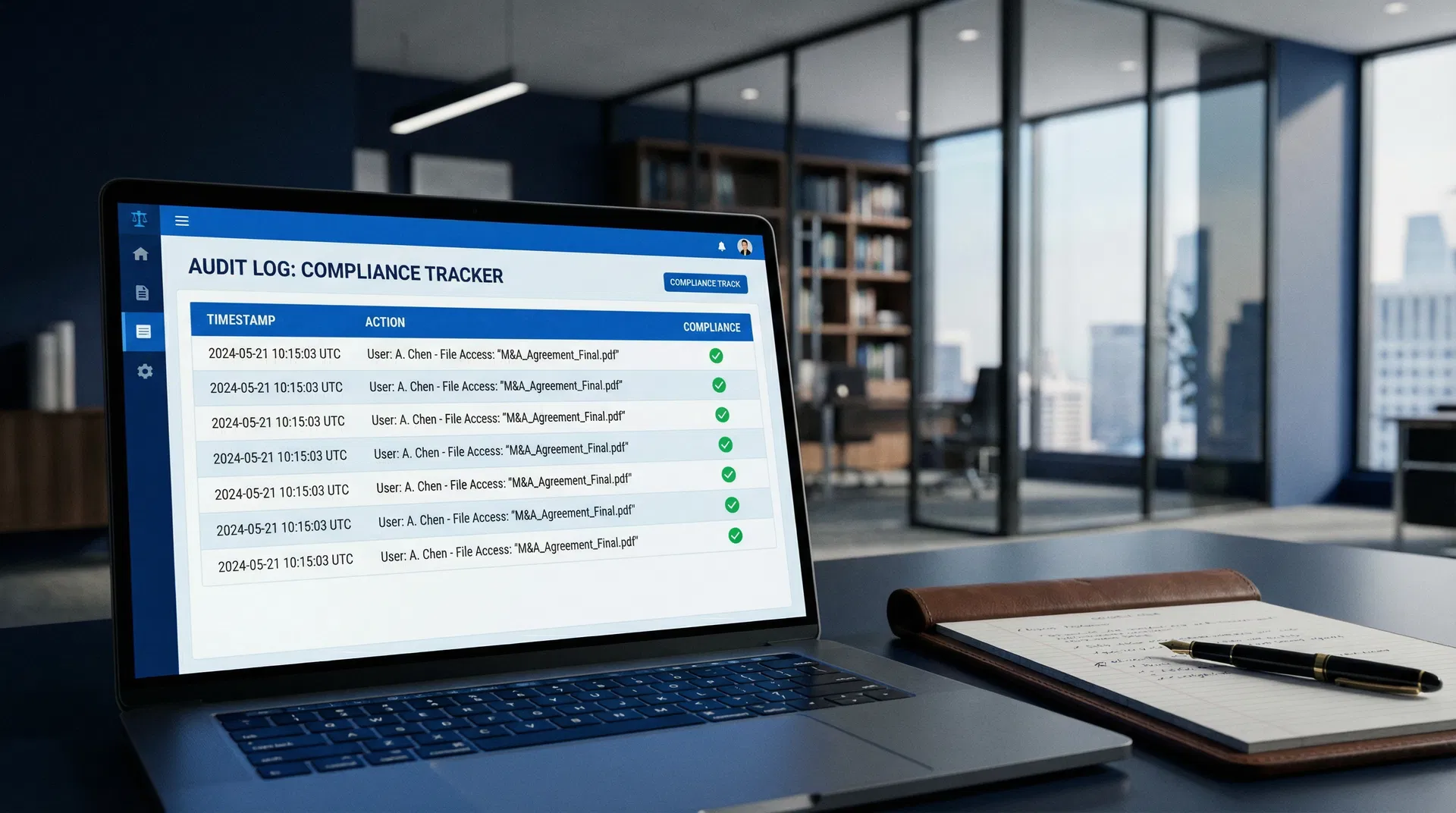
In the intricate and ever-evolving landscape of U.S. immigration law, the stakes for accuracy, transparency, and accountability have never been higher. Law firms and legal professionals are under increasing scrutiny from regulatory bodies, clients, and even internal compliance frameworks. In this environment, the concept of a defensible audit trail in immigration law is not merely a best practice—it's a critical safeguard for operational integrity and legal protection.
A defensible audit trail provides an immutable, chronological record of all activities, changes, and decisions made within a case or system. For immigration practices, this means meticulously documenting every interaction, document modification, and approval step, ensuring that if challenged, the firm can unequivocally demonstrate compliance and due diligence. This article explores the imperative of robust audit trails, their key components, and how modern compliance immigration software can transform your firm's ability to build and maintain them.
The need for robust audit trails stems from several critical areas within immigration law:
Immigration law is heavily regulated, with agencies like USCIS, DOS, and DOL imposing strict requirements for documentation, submission, and record-keeping. Non-compliance can lead to severe penalties, including fines, reputational damage, and even the loss of licensure. A comprehensive audit trail serves as irrefutable evidence that your firm has adhered to all procedural requirements, mitigating risks associated with audits, investigations, or client disputes.
“Studies indicate that firms with robust digital audit capabilities reduce their risk of compliance-related penalties by up to 40%.”
Beyond external pressures, audit trails are vital for internal quality control. They allow managing partners to monitor workflows, identify bottlenecks, and ensure that all team members are following established protocols. This level of transparency is essential for maintaining high standards of service and reducing the likelihood of errors that could jeopardize a client's case.
In an unfortunate event of a malpractice claim, a detailed audit trail can be your firm's strongest defense. It provides an objective, timestamped account of every action taken, every document filed, and every communication exchanged. This evidence can prove that the firm acted diligently, followed proper procedures, and made decisions based on the information available at the time. Without such a record, defending against claims becomes significantly more challenging and costly.
What makes an audit trail truly "defensible"? It's more than just logging activities; it's about the quality, integrity, and accessibility of that information. Key components include:
Many firms still rely on manual logs, spreadsheets, or disparate systems, which are prone to human error, difficult to maintain, and often lack the necessary immutability and granularity to be truly defensible. This is where specialized compliance immigration software offers a transformative solution.
Modern immigration tech solutions are designed to embed audit trail capabilities directly into your firm's daily operations, automating the process and enhancing defensibility. Here’s how:
Advanced platforms integrate case management with workflow automation, ensuring that every step of a case—from client intake to final filing—is automatically logged. This includes document creation, review cycles, approvals, and communications. For instance, when a form is dynamically updated, or a new version is detected, a robust system logs this change, ensuring your firm is always using the correct forms, as discussed in Dynamic USCIS Form Versioning.
The best compliance immigration software actively monitors changes in regulations, visa bulletins, and form revisions, automatically logging these updates and their impact on cases. This proactive approach ensures that your firm remains compliant and that any adjustments made in response to new rules are fully documented. This significantly helps to reduce RFE rates through document validation and consistent processes.
Leading solutions employ secure, blockchain-like logging mechanisms that make audit trails virtually immutable. Coupled with robust RBAC (Role-Based Access Control), every action is tied to a specific user with defined permissions, creating a clear and undeniable chain of custody for all case data. This level of security and attribution is fundamental to a truly defensible audit trail.
Building defensible audit trails is no longer optional; it's a fundamental requirement for any immigration law firm committed to compliance, risk mitigation, and client protection. By embracing advanced compliance immigration software, firms can move beyond manual, error-prone processes to a system that automatically generates comprehensive, immutable, and easily retrievable records.
Investing in technology that provides robust audit logs and compliance monitoring not only safeguards your practice but also enhances operational efficiency and client trust. To explore how integrated solutions can streamline your firm's compliance efforts and build truly defensible audit trails, visit legistai.com today.