Document Automation
5 Ways Document Automation Reduces Filing Errors for Immigration Attorneys
January 22, 2026Read

In the fast-paced world of U.S. immigration law, staying abreast of changes from the United States Citizenship and Immigration Services (USCIS) is not merely good practice—it's a fundamental requirement for compliance and successful case outcomes. Among the most critical, yet often overlooked, aspects of this vigilance is **dynamic USCIS form versioning**. For managing partners and immigration attorneys, understanding and implementing robust solutions for form version control is paramount to mitigating risks, enhancing efficiency, and ultimately, serving clients better.
USCIS forms are not static documents; they undergo frequent revisions, sometimes with little notice. These changes can range from minor textual adjustments to significant alterations in required information or submission procedures. Failing to use the most current version of a form can lead to immediate rejections, requests for evidence (RFEs), or even outright denials, costing firms valuable time, resources, and client trust. Dynamic USCIS form versioning refers to the automated process by which immigration form software detects, updates, and validates against the latest versions of these critical documents, ensuring that legal teams are always working with accurate and compliant materials.
Historically, immigration law firms have relied on manual processes to manage USCIS forms. This often involves staff regularly checking the USCIS website for updates, downloading new forms, and then manually updating internal templates or software. This approach is fraught with potential pitfalls:
"The average immigration law firm spends over 100 hours annually on administrative tasks related to form management and compliance checks, much of which could be automated."
The implications extend beyond individual cases. A pattern of non-compliance due to outdated forms can attract unwanted attention from regulatory bodies and damage a firm's standing within the legal community. This underscores why a proactive, technologically driven approach to **immigration form software** is not just an advantage, but a necessity.
The adoption of dynamic USCIS form versioning through specialized immigration tech solutions offers a transformative shift for law firms. Here’s why it matters significantly:
At its core, dynamic versioning is about ensuring continuous compliance. Advanced immigration form software automatically monitors USCIS for form updates. When a new version is released, the system immediately flags it, updates its database, and often provides a seamless transition to the new form. This eliminates the risk of submitting outdated documents, safeguarding the firm's reputation and ensuring cases proceed without unnecessary hurdles. Furthermore, features like field validation within these systems can prevent common errors, further reducing RFEs and denials. This directly contributes to a firm's ability to reduce RFE rates through document validation.
By automating the detection and integration of new form versions, law firms can significantly streamline their workflows. Attorneys and paralegals no longer need to manually check for updates, freeing up their time to focus on complex legal analysis, client communication, and strategic case planning. This optimization of resources translates into higher productivity, reduced operational costs, and the ability to handle a larger caseload without compromising quality. The benefits are similar to those gained when document automation reduces filing errors across the board.
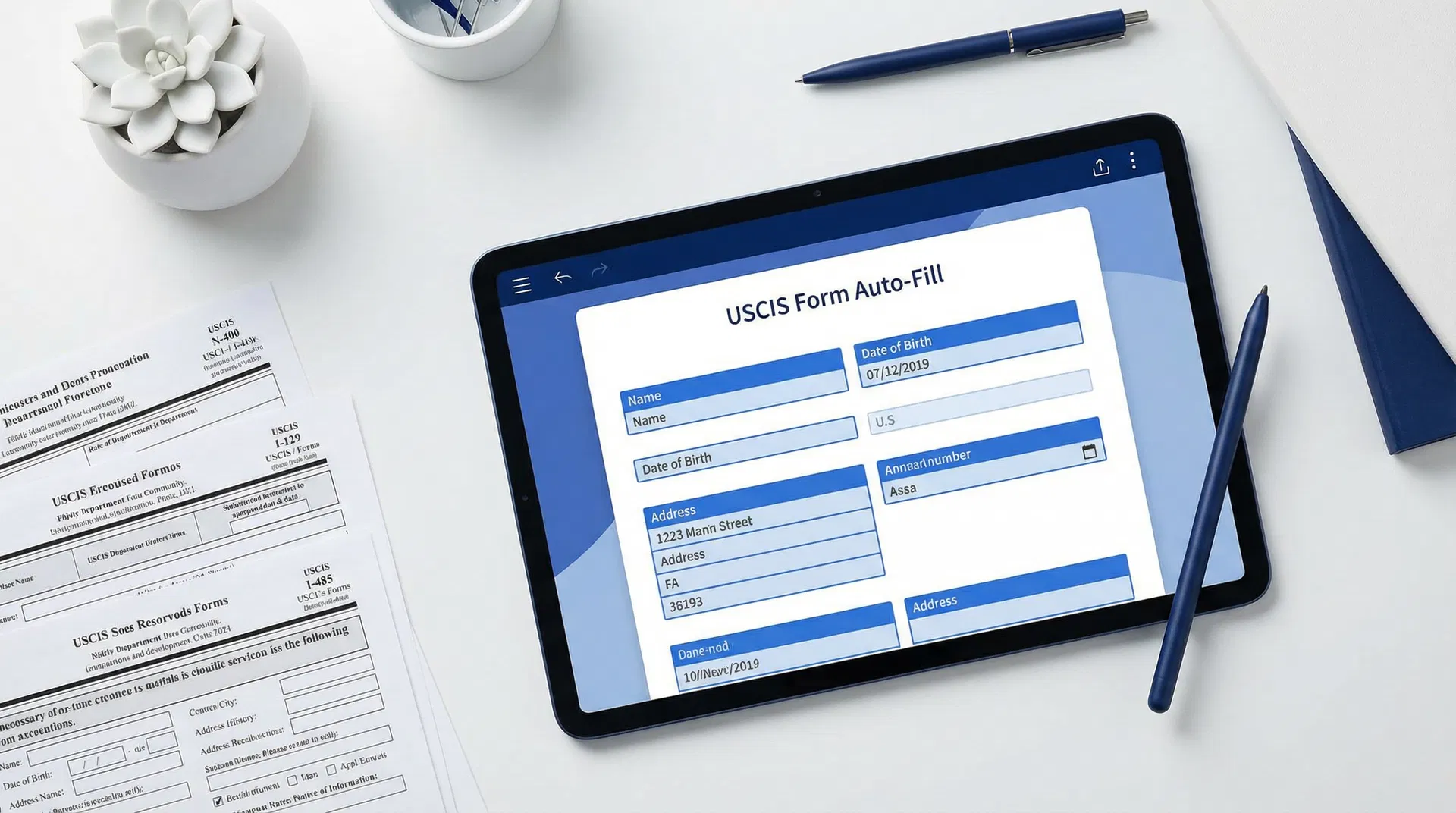
Dynamic versioning systems often come equipped with intelligent features that not only update forms but also ensure data integrity. When a form changes, the software can intelligently map existing client data to the new fields, minimizing the need for re-entry and reducing the chance of transcription errors. This level of precision is crucial for complex immigration applications where even minor discrepancies can lead to significant delays or adverse outcomes. The ability to auto-fill USCIS forms is a prime example of this enhanced accuracy.
For law firms seeking to navigate the complexities of USCIS form changes with confidence, solutions like LegistAI offer a robust answer. LegistAI's **Dynamic USCIS Form Versioning** feature provides automatic detection of new form versions and comprehensive field validation, ensuring that your firm is always using the most current and accurate documents. This capability is seamlessly integrated with its broader **Document Automation** features, which include reusable templates and auto-filling of USCIS forms such as the N-400, I-129, and I-485. Beyond forms, LegistAI's **Compliance Monitoring** tracks USCIS policy changes and visa bulletin updates, offering a holistic approach to regulatory adherence.
By leveraging such advanced **immigration form software**, firms can transform a historically burdensome administrative task into a competitive advantage. It’s about more than just avoiding errors; it’s about building a resilient, efficient, and compliant practice ready for the future of immigration law.
To learn more about how LegistAI can revolutionize your firm's compliance and efficiency with dynamic USCIS form versioning and other cutting-edge features, visit legistai.com/features today and discover a smarter way to manage your immigration cases.